

Artist vs. Parent
On the friction between life and making creative work


I became an artist at the same time I became a father. At least, that is, according to Beth Pickens’ definition of the term.
Irrespective of medium, skill, or money-making ability, Pickens writes1 that artists are “people who are profoundly compelled to make their creative work, and when they are distanced from their practice, their life quality suffers.” If this is true—and it feels true to me—then I am an artist. However, this was not always the case. I’ve enjoyed making creative work for a long time, but I cannot say I felt “profoundly compelled” to make it until I became a father. To be more specific, I think the compulsion truly kicked in upon the birth of my second child. To be even more specific, it reached a fever pitch when that second child began to walk.
This is, in many ways, unfortunate. My time has never been so fractured, nor felt so little like my own. My librarian wife works nights and weekends regularly, and I too have a day job in addition to my freelance and personal work. The job is extremely flexible, and quite often creatively fulfilling, but requires 40 hours from me nonetheless. Like so many parents these days, my wife and I cannot afford full-time childcare for both kids, so as the one who is most often home, I am, by default, the primary caretaker. I understand these are choices I have made, or at the very least ones I have participated in, and I can hear the echoes of mothers throughout history, shouting, “welcome to the club, man!” But that’s the thing about compulsions, as any recovering alcoholic will tell you: they don’t give a fuck.
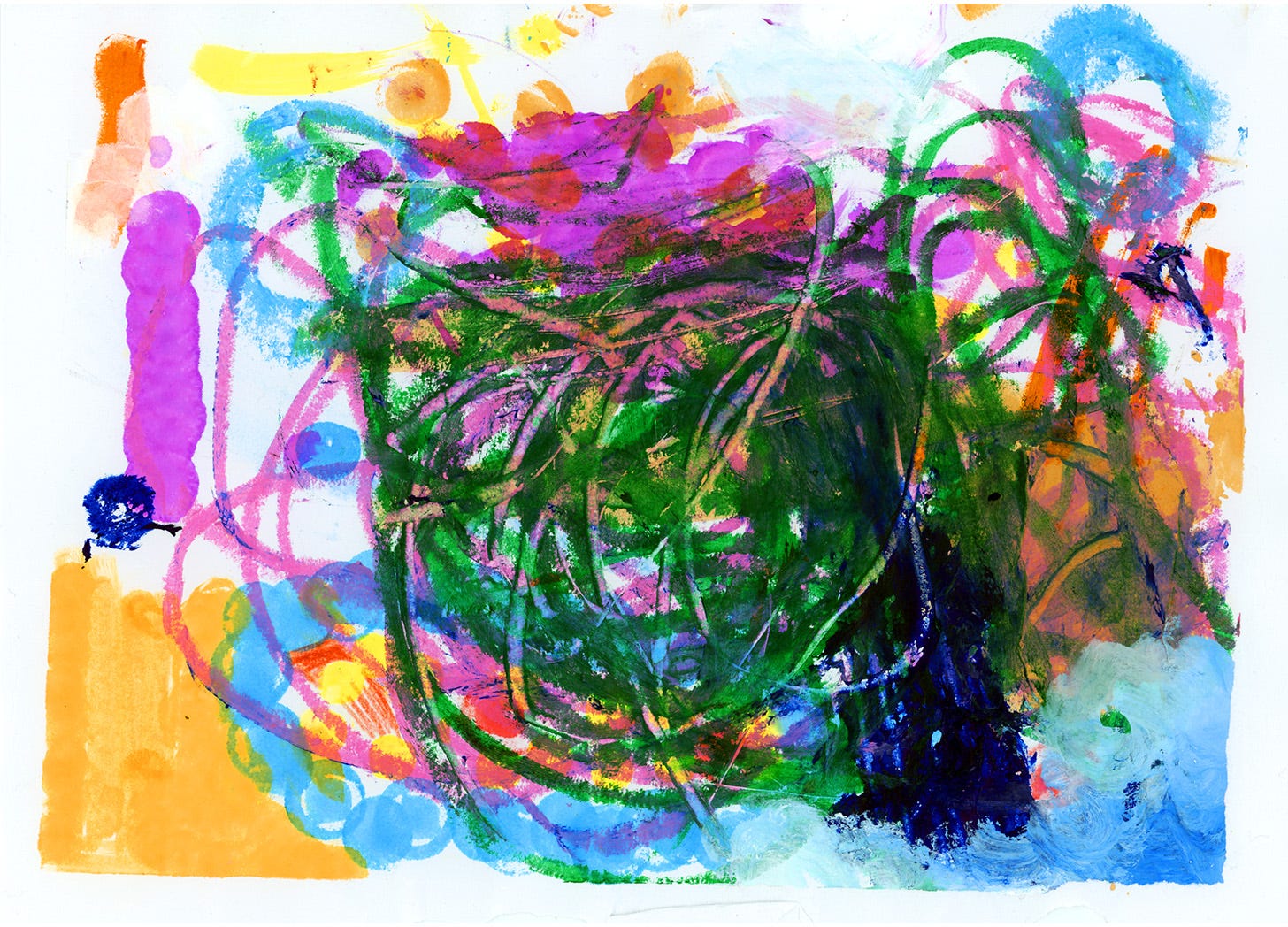
If time is a resource, then my limited quantity becomes fuel. I have a few, uninterrupted chunks of time throughout any given week—I am writing this sentence in the middle of one such chunk—but, generally speaking, my time for creative work is sporadic, inconsistent, and almost always at the cost of something like laundry, dishes, or exercise. And yet I must do it. The great irony is this: I would not need to be an artist had I not had children, yet the children are my primary obstacle to making creative work.
I do not feel good about calling my children an obstacle! But I also do not feel good when I cannot work. To be honest, I do not feel good much of the time. My life, as I currently know it, exists in a state of persistent friction.
In her relatably titled 100 Essays I Don’t Have Time to Write, Sarah Ruhl writes beautifully and humorously about this friction:
There was a time, when I first found out I was pregnant with twins, that I saw only a state of conflict. When I looked at theater and parenthood, I only saw war, competing loyalties, and I thought my writing life was over. There were times when it felt as though my children were annihilating me (truly you have not lived until you have changed one baby’s diaper while another baby quietly vomits on your shin), and finally came to the thought, All right, then, annihilate me; that other self was a fiction anyhow. And then I could breathe. I could investigate the pauses.
I’m trying to investigate my own pauses. I understand the inverse relationship between time (or the lack thereof) and action. A goldfish grows to fill the bowl in which it finds itself. But what I did not fully understand until recently was why I must use this limited time for making creative work. Why not read, or take a walk? Clean or spend more time with my wife? Why not other, worthwhile activities important to me and in support of a fulfilling life?
Creative work has become a way to stake a claim for selfhood. A raft to cling to in the sea of childrearing, at one moment sparkling in the sun and the next threatening to capsize. I love my children fiercely, but parenthood, at least at these young ages, often feels like something to survive. Designing, writing, collaging, photo taking—it is all a way for this parent to say “See? I made this. I may be perpetually sleep-deprived and a bit depressed but I exist, goddammit.” It is not lost on me that the particular creative work I have oriented my life around, designing book covers, is work upon which I get to print my name.
I want to validate my feelings and what I am in search of here, but I think that I, and any other parent-artist, must be careful. We must be careful in our longing for the time and space to make creative work—to replenish our souls, if I may be grandiose about it—that resentment does not take root. The children may stop us from doing our work at any given moment, but “parent” and “artist” need not be in opposition to each other. Together they can be a way of life; they can be an example for my offspring. They are, if we allow them be, two sides of the same coin. And the quarter has no value without both Washington and the eagle.
In that same, short essay, Ruhl goes on to say, “I found that life intruding on writing was, in fact, life. And that, tempting as it may be for a writer who is also a parent, one must not think of life as an intrusion. At the end of the day, writing has very little to do with writing, and much to do with life. And life, by definition, is not an intrusion.”
Once more, for both you and I, for both parent and not: Life is not an intrusion.

Addendum
Here’s another relevant quote from later in Ruhl’s book that I read after I was mostly finished with this essay:
I appear to need to be alone in order to make things; it appears necessary to my survival. And yet my children appear to need me, always; it appears to be necessary for their survival. And yet for me to feel my sanity, these two practices, of motherhood and making things, so primary, need to feel as though they are compatriots.
New Work
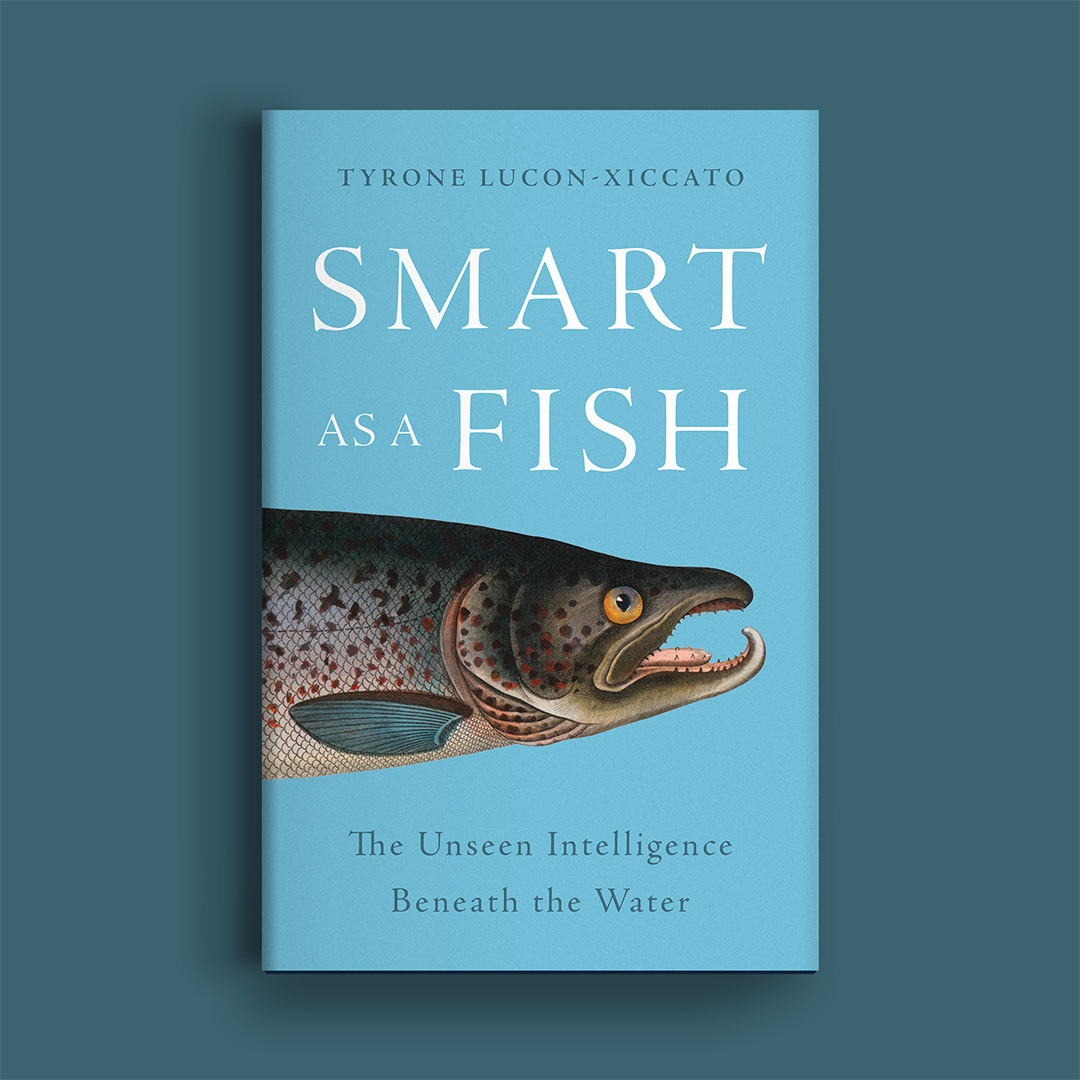
I recently designed this book cover for Princeton University Press:
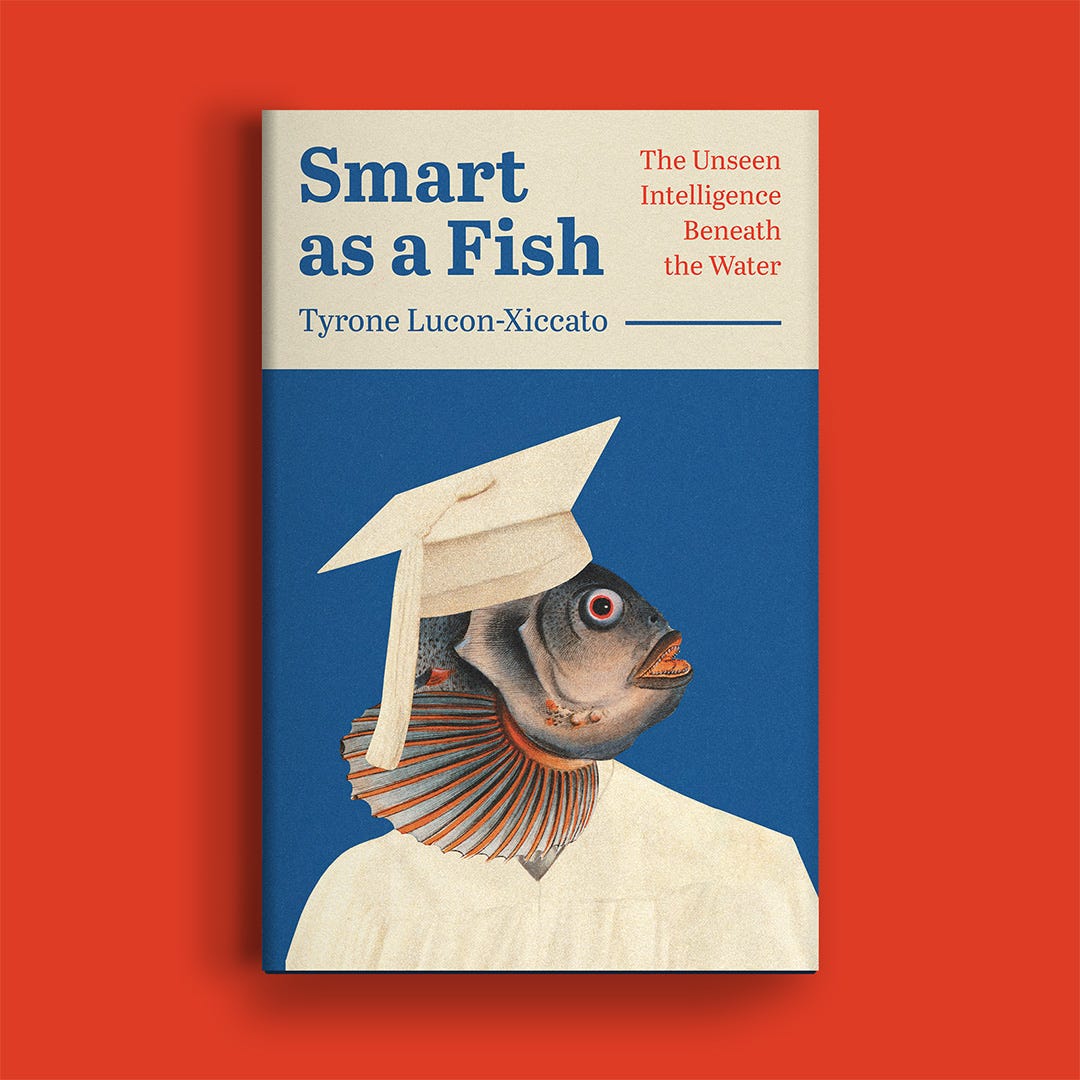
Here’s an unused cover for the same project:
In Case You Missed It


What I’m Reading (books)
The links below are affiliate links with bookshop.org. Buying a book via those links is a great way to support the newsletter! You can also buy something else and still choose to benefit Nathaniel Roy Design.
Making Art and Making A Living by Mason Currey
I See You’ve Called in Dead by John Kenney
A Manual for Cleaning Women by Lucia Berlin
What I’m Reading (links)


Thanks for Reading!
Thank you for reading! I mean it.
If you’d like to keep this newsletter going and help me say no to designing soul-sucking books about corporate events, email marketing, and raising capital, consider becoming a paid subscriber or buying me a coffee.
Until next time,
—Nathaniel
The book links in this newsletter are bookshop.org affiliate links. Buying a book via those links is a great way to support the newsletter! You can also buy something else and still choose to benefit Nathaniel Roy Design.